




What to know about Southwark Council rubbish rules
Posted on 27/08/2026
What to know about Southwark Council rubbish rules: a practical local guide
If you live, work, or manage property in Southwark, the rubbish rules can feel a bit more fiddly than they first appear. One week it is black sacks on the wrong day, the next it is a bulky item left out too early, and suddenly you are trying to work out what counts as recycling, what needs special handling, and what might get you a warning. That is exactly why understanding What to know about Southwark Council rubbish rules matters.
This guide breaks the topic down in plain English. You will get the basics of how council rubbish collection usually works, what residents and landlords need to watch out for, and where people go wrong most often. We will also cover practical steps, a useful checklist, and a few local-minded tips that can save time and, frankly, a lot of hassle. Let's face it, nobody enjoys dragging a broken wardrobe back indoors at 7 a.m. because it was put out on the wrong day.
Why What to know about Southwark Council rubbish rules Matters
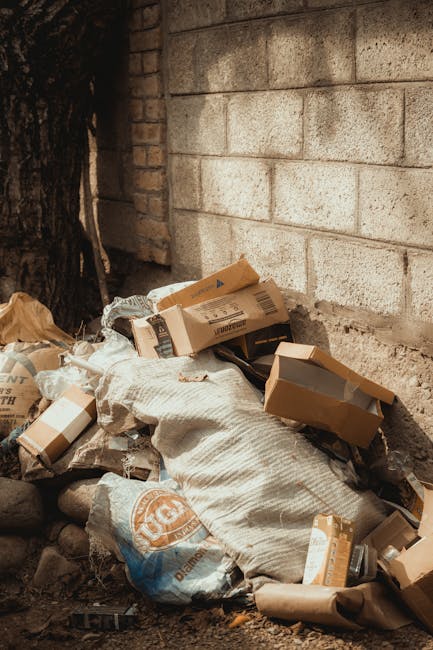
Rubbish rules are not just admin. They affect street cleanliness, vermin control, recycling rates, neighbour relations, and whether waste gets collected at all. In a dense London borough like Southwark, small mistakes can become visible very quickly. One missed collection can mean bin bags lining the pavement, foxes getting into food waste, and a complaint from the flat downstairs before breakfast. Not ideal.
There is also a practical side. If you know the routine, you can plan clear-outs, renovations, moving days, and garden jobs around the right disposal method instead of improvising at the last minute. That matters for everyone, from a homeowner clearing the loft to a small business managing daily waste. For local residents who also need broader support, pages such as rubbish removal in Bermondsey and waste clearance help can be useful when council collection alone is not enough.
There is a trust element too. Good waste habits make life easier for neighbours, caretakers, and block managers. They also support the kind of tidy, liveable streets people want to see in Southwark, whether that is near a busy high street or a quieter residential road. A clean bin area sounds boring until you do not have one.
How What to know about Southwark Council rubbish rules Works
At a high level, Southwark Council rubbish rules usually revolve around a few moving parts: household bin collections, recycling separation, food waste, garden waste arrangements, bulky waste, and rules for items that cannot simply go in a normal sack. The exact detail can change over time, so the safest approach is to treat this as a working framework rather than a fixed one-off answer.
In practice, the council expects waste to be presented correctly, in the right containers, on the right day, and in a way that does not create a mess for passers-by. That means using the correct bin for the correct material, keeping lids closed where possible, and avoiding loose rubbish that can blow around in the wind. London weather has a habit of making a neat pile look like a seafront in about ten minutes.
For bigger items, you usually need a separate route. That may include council collection arrangements for bulky waste, a reuse or donation route if the item is still usable, or a private clearance option if timing is tight. If you are dealing with renovation debris, mixed construction waste, or an office clear-out, specialist support such as builders waste disposal, house clearance, or office clearance may be the more realistic route.
There is also an important distinction between routine household waste and non-routine or controlled waste. For example, plasterboard, electricals, mattresses, garden cuttings, and paint tins all need more thought than an everyday kitchen bin bag. Once you start seeing waste categories instead of just "stuff I need gone", the system becomes much easier to manage.
Key Benefits and Practical Advantages
Following the rules properly has some very direct benefits, and most of them are immediate.
- Fewer missed collections: correct presentation means the collection team is more likely to take the waste first time.
- Cleaner shared areas: especially useful in flats, HMOs, and managed buildings where one poor habit affects everyone.
- Less nuisance and odour: food waste and mixed rubbish are where problems usually start.
- Better recycling outcomes: separating materials properly keeps more waste out of general rubbish.
- Lower stress during clear-outs: if you already know what goes where, you are not making decisions with a van booked and a hallway full of boxes.
There is a quieter benefit too: good waste habits tend to reduce friction with neighbours and managing agents. That is hard to quantify, but anyone who has lived in a busy street will know the value of not being the person who leaves old sofas outside for two days. Slightly awkward. Very avoidable.
For households trying to act responsibly, it can also help to read about the company's own approach to sustainability, such as the recycling and sustainability approach. When your disposal choices are aligned with reuse and recycling, the whole process feels less wasteful and more considered.
Who This Is For and When It Makes Sense
These rules matter to more people than you might think. It is not just a homeowner with a full bin. The practical audience is wider:
- Residents in flats or houses who need to understand collection days and what can be left out.
- Landlords and letting agents managing tenant turnover, fly-tipping risks, or end-of-tenancy clear-outs.
- Home movers who need to dispose of unwanted items quickly and cleanly.
- Builders and tradespeople who generate rubble, timber, packaging, or mixed site waste.
- Local businesses dealing with stock, office furniture, packaging, and day-to-day rubbish.
- Market traders and event organisers who need a tidy, reliable waste plan for busy footfall days.
If you are based around Bermondsey or nearby streets, local context matters. A narrow road, limited parking, and shared access can make disposal more complicated than it sounds on paper. That is why area-specific reading can help, such as guidance for Bermondsey Street residents or the practical notes in SE16 same-day rubbish removal services and rates.
Put simply: if your waste is routine and fits the usual collection pattern, council rules may be enough. If the task is urgent, bulky, mixed, or time-sensitive, it makes sense to look at other options before the pile grows teeth.
Step-by-Step Guidance
Here is the cleanest way to approach Southwark rubbish rules without overcomplicating things.
- Identify the waste type. Start by separating general rubbish, recycling, food waste, garden cuttings, electricals, and bulky items. This is the step people skip, and it causes most mistakes.
- Check whether it is household, commercial, or construction waste. The right disposal route depends on the source as much as the material.
- Confirm the collection method. Use the normal bin service where appropriate, and a separate route for bulky or specialist items.
- Prepare items properly. Bags should be closed, recyclables kept clean and dry where possible, and sharps or hazardous items handled carefully.
- Put waste out at the right time. Too early creates a street mess. Too late risks a missed collection. There is a sweet spot, even if it feels annoyingly specific.
- Separate reusable items. If furniture, appliances, or decor can be reused, do that first. It can save money and reduce waste.
- Choose a specialist service if needed. For large volume, urgent jobs, or mixed waste, a private clearance route may be faster and more practical.
A useful habit is to work backwards from the collection day. For example, if you are clearing out a spare room on a Sunday evening, do the sorting then, not on the morning you are due to leave at 8 a.m. No one enjoys finding a broken lamp base at the bottom of a moving box with the clock ticking.
If you are comparing disposal options, the general overview at services overview can help you match the job to the right type of clearance without guessing.
Expert Tips for Better Results
Most waste problems are not dramatic. They are small, boring, avoidable things. That is the good news.
- Keep a running "dispose later" box. Instead of scattering odd items around the house, use one box or corner for things that need special disposal.
- Break bulky items down where safe. Flat-pack wood, removed legs, and folded cardboard take up less room and are easier to move.
- Do a quick visual check before collection. Ask yourself: would a stranger know what is inside each bag or container?
- Use the weather to your advantage. Dry days are better for cardboard and paper. Wet weather ruins recycling faster than you think.
- Plan for stairs, lifts, and shared entrances. In apartment blocks, the pain point is usually access, not the item itself.
One more thing: if you are dealing with a house clearance, office relocation, or post-refurbishment mess, do not wait until everything is in one giant heap. Sorting early saves time and often reduces the amount that needs special treatment. We have seen the difference between a tidy two-hour job and a chaotic half-day one. It is night and day.
For reassurance around handling and transport, it can also help to review the company's insurance and safety information. Waste work should be practical, yes, but it should also be done carefully.
Common Mistakes to Avoid
When people get caught out by rubbish rules, the same patterns tend to repeat.
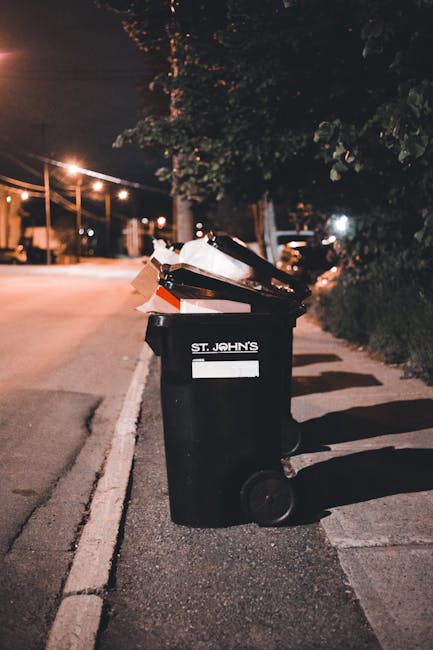
- Leaving waste out too early and creating a mess on the pavement.
- Mixing recycling with general rubbish because it is quicker in the moment.
- Assuming bulky waste can go out with everyday bins when it usually cannot.
- Putting out items that are too heavy or awkward to lift safely without checking the right disposal route first.
- Ignoring shared-building rules and expecting one bin store to handle everything.
- Waiting until the last minute, which is how hurried mistakes happen.
There is also the classic mistake of treating all rubbish as if it is the same thing. It is not. Cardboard, food waste, broken furniture, garden cuttings, paint, and electricals each have different handling expectations. The moment you split the job into categories, the whole thing gets easier. Honestly, annoyingly easier.
Tools, Resources and Recommendations
You do not need a huge toolkit, but a few simple things make a real difference.
- Strong bin bags or rubble sacks: useful for safe transport and cleaner presentation.
- Labels or marker pens: handy when sorting items for reuse, recycling, or specialist disposal.
- Gloves and basic protective gear: especially when handling broken items or dustier waste.
- Measuring tape: sounds dull, but it helps when checking whether a sofa, mattress, or appliance will fit down stairs or into a vehicle.
- A simple room-by-room plan: brilliant for clear-outs and moving days.
When the job is larger than a normal bin cycle, it can be worth comparing clearance methods before you start hauling things around. If you need a broad view of the available local support, the main services page is a sensible place to understand the range of options. For timing-sensitive jobs, the article on same-day rubbish removal in SE16 can also help set expectations.
If you are dealing with renovation leftovers, garden cuttings, or commercial waste, it is worth choosing the disposal method that matches the actual material. That sounds obvious, but in real life people often make decisions based on convenience alone. Then they end up doing the job twice. Not fun.
Law, Compliance, Standards, or Best Practice
This topic touches on compliance, even when it looks simple. In the UK, waste has to be handled responsibly, and householders, landlords, tradespeople, and businesses all have duties in practice, if not always the same ones. The exact legal requirements vary depending on the type of waste and who produced it, so cautious, sensible handling is the safest route.
As a general rule, you should:
- Dispose of waste through the correct authorised route rather than leaving it in public spaces or passing it to someone unverified.
- Keep recyclable materials separated where possible so they can be processed properly.
- Treat electricals, sharp objects, liquids, and construction waste with extra care.
- Avoid fly-tipping by mistake, including leaving rubbish beside overflowing bins or outside a property without the right arrangement.
- Use specialist support for regulated or awkward waste streams if you are unsure.
Best practice is usually the same whether you are a tenant, owner, landlord, or business: keep waste contained, sort it early, and use the right route for the right material. If a job feels borderline, it probably deserves a second look. That is not being fussy; that is being sensible.
Options, Methods, or Comparison Table
Here is a simple comparison of common disposal routes so you can decide faster.
| Method | Best for | Pros | Things to watch |
|---|---|---|---|
| Routine council bin collection | Everyday household rubbish and standard recycling | Simple, familiar, low effort | Must be sorted correctly and put out on the right day |
| Bulky item disposal route | Furniture, mattresses, large unwanted items | Better for items too large for normal bins | Needs planning and may not suit urgent jobs |
| Private rubbish removal | Mixed waste, time-sensitive clear-outs, awkward access | Flexible, quick, can handle larger volumes | Choose a provider carefully and check what is included |
| Specialist clearance service | Builders waste, house clearance, office clearance, garden waste | Designed for bigger or more complex jobs | Waste type and site access affect the plan |
If you are weighing up specialist support, the relevant local pages for garden waste removal and builders waste disposal are especially useful when the waste is not standard household rubbish.
Case Study or Real-World Example
Here is a realistic scenario. A Bermondsey couple is moving out of a two-bedroom flat and discovers they have a cracked wardrobe, two broken dining chairs, a box of mixed clothes hangers, an old printer, and a stack of cardboard from a recent online-shopping spree. The council bin will not solve that in one go, and leaving it all outside would be a headache for everyone in the block.
What works better? They sort the items into three groups. Cardboard goes flat and dry. The printer is separated as electrical waste. The broken furniture is assessed for a specialist collection route. Because the move is time-sensitive, they choose a same-day or scheduled clearance option rather than trying to force everything through the normal bin system.
The end result is cleaner, faster, and far less stressful. More importantly, the hallway stays clear, the neighbours are not inconvenienced, and the move feels under control instead of slightly chaotic. That kind of real-world calm is worth a lot. Especially on a rainy London afternoon when everyone is already tired.
Practical Checklist
Use this checklist before you put anything out or book a clearance.
- Have I identified the waste type correctly?
- Can any of it be reused, donated, or repaired?
- Is it recycling, food waste, general rubbish, or specialist waste?
- Do I know the correct collection day or disposal route?
- Is the waste packed safely and securely?
- Will it be easy to move without blocking a hallway or pavement?
- Do I need gloves, strong bags, or basic protective equipment?
- Is the job bigger than my normal bin capacity?
- Do I need help with a flat, office, garden, or builders' clearance?
- Have I checked the building's own rules if I live in a shared property?
If you can tick most of those off without hesitation, you are in good shape. If not, slow down a little and sort the process before the rubbish starts spreading across the room. That little pause often saves a lot of trouble later.
Conclusion
Knowing What to know about Southwark Council rubbish rules is really about making everyday life smoother. It helps you dispose of waste properly, avoid common mistakes, keep shared spaces cleaner, and choose the right method when council collection is not enough. The details can feel fiddly at first, but once you understand the main categories and timing, it becomes much more manageable.
For many people, the key is not memorising every rule. It is building a simple habit: sort early, separate properly, and match the waste to the right route. That approach works whether you are clearing a flat, managing a building, or dealing with leftover debris after a renovation. And if the job is bigger than expected, a sensible local clearance option can take the pressure off.
Get a free quote today and see how much you can save.
In the end, good rubbish habits are one of those small things that make a place feel cared for. And in a city like London, that really does matter.



 Tipper Van - Rubbish Removal and House Clearance Prices in Bermondsey, SE16
 Luton Van - Rubbish Removal and House Clearance Prices in Bermondsey, SE16