




Maltby Street Market waste removal for market traders
Posted on 10/08/2026
Maltby Street Market Waste Removal for Market Traders: A Practical Guide for Busy Stalls
If you trade at Maltby Street Market, you already know the routine: the early setup, the rush of customers, the last-minute wipe-down, and then the awkward pile of boxes, scraps, packaging, food waste, and broken-down stall materials waiting to be dealt with. Maltby Street Market waste removal for market traders is not just a tidy-up job. It is part of keeping your pitch workable, your trading day smooth, and your reputation solid. Get it wrong and the end of the day turns messy very quickly. Get it right and, truth be told, everything feels lighter.
This guide walks through how market waste removal works, why it matters, what traders should plan for, and where people often trip up. It also covers practical steps, common risks, and the best ways to handle mixed waste without creating a headache for yourself or the market team. If you need a broader view of available support, you can also look at the site's services overview or the more specific rubbish removal in Bermondsey page for context.
Let's face it: market trading is already a juggling act. Waste should not be the thing that knocks the whole day sideways.
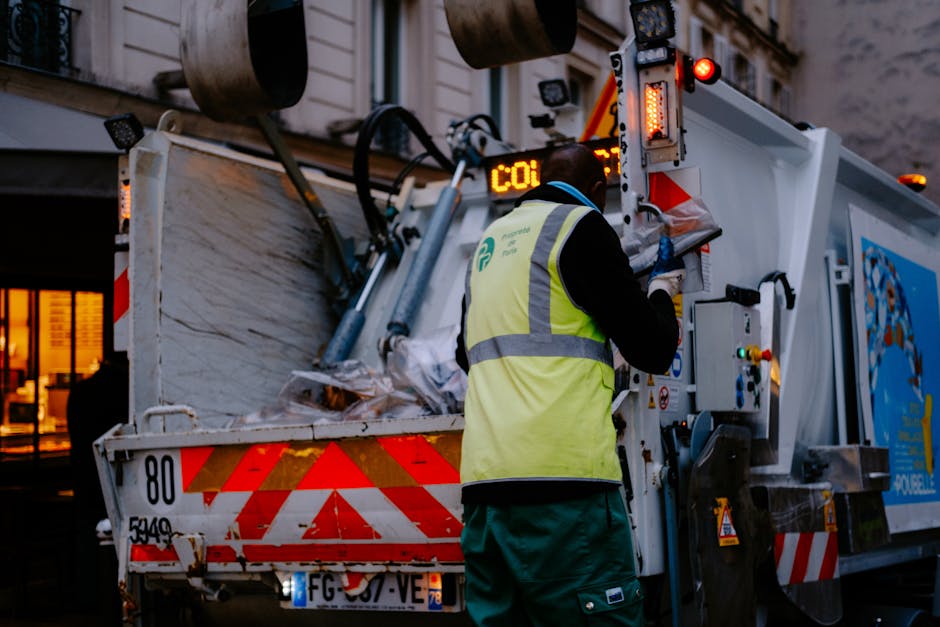
Why Maltby Street Market waste removal for market traders Matters
Waste at a market is rarely just one thing. A single stall can produce cardboard, shrink wrap, paper bags, food scraps, fruit peelings, damaged packaging, spent cleaning materials, and the odd bit of equipment that has seen better days. Multiply that across a trading row and the volume becomes obvious fast. On a busy Saturday, the waste can accumulate in little bursts all day long, and by close-up it feels like the stall has somehow doubled in size.
For traders, proper waste removal matters because it affects more than appearance. It affects safety, cleanliness, customer experience, and the speed at which you can clear down after trading. It also matters for shared spaces. Markets depend on everyone pulling their weight, and one trader leaving waste behind can create tension very quickly. Nobody wants to be the person who leaves a soggy stack of packaging in the wrong place, especially in a narrow market lane where space is already tight.
There is also the practical side. Waste that sits too long may attract pests, create smells, or block access for other traders and collection crews. That is not just unpleasant. It can affect daily operations and, in some cases, lead to avoidable complaints or enforcement issues. A market like Maltby Street has a certain rhythm, and rubbish can interrupt it more than people expect.
Expert summary: Market waste removal works best when it is treated as part of the trading process, not as an afterthought. The most successful stalls plan for waste from the moment stock is unpacked.
How Maltby Street Market waste removal for market traders Works
In simple terms, market waste removal is about separating, storing, and clearing waste in a way that suits the stall, the market layout, and the collection schedule. For some traders, that may mean a basic daily routine with compact bins and folded cardboard. For others, especially food stalls, it may mean a more structured approach with separate containers for food waste, recyclables, and general rubbish.
Most traders benefit from thinking in three layers:
- During trading: Keep waste contained, labelled where needed, and out of the customer-facing area.
- At close: Break down packaging, bag soft waste, and stack recyclable cardboard neatly.
- After close: Arrange removal so waste does not remain on-site longer than necessary.
That sounds obvious, but in the real world people get caught out because the waste stream changes during the day. A stall may begin with neat crates and end with a mix of damp paper, food trimmings, broken boxes, and disposable gloves. If you do not build a routine around that, waste piles up in odd corners. Then you are trying to solve the problem in a rush while the last customers are still passing by. Not ideal.
Some traders handle this with their own vehicle or a shared market arrangement. Others prefer a dedicated waste clearance service that can remove mixed loads quickly and keep the pitch clear for the next session. If your trading operation also involves stockroom overspill, back-of-house clutter, or occasional clear-outs, pages like waste clearance in Bermondsey and office clearance may be useful reference points for how broader clearance support is usually structured.
Key Benefits and Practical Advantages
Good waste removal is one of those jobs that quietly improves everything else. You do not always notice it when it is working, but you certainly notice when it is not.
- Faster pack-down: A clear sorting routine means less time spent at the end of the day wrestling with boxes and bags.
- Better hygiene: Food traders especially need waste contained to avoid smell, leakage, and contamination.
- Safer working space: Less loose waste means fewer trip hazards, spills, and blocked pathways.
- Better customer impression: A tidy stall looks professional. People do notice, even if only subconsciously.
- Less stress with shared areas: Common spaces stay usable when waste is cleared on time.
- More reliable compliance: Keeping waste in order makes it easier to follow market rules and general duty-of-care expectations.
There is also a subtler benefit: better waste habits often improve stock handling. Traders who manage waste well usually manage crates, packaging, and space better too. It tends to spill over into the rest of the operation. One tidy habit. Then another. Before long, the whole stall feels calmer.
For traders who want to build a more sustainable routine, the site's recycling and sustainability page gives a helpful sense of how reuse and diversion from landfill fit into day-to-day waste decisions.
Who This Is For and When It Makes Sense
This kind of waste removal support is useful for a wide range of market traders, but it becomes especially important in a few common situations.
- Food and drink stalls with organic waste, packaging, and regular clean-down needs.
- Traders with high cardboard volumes from deliveries and stock replenishment.
- Stalls using mixed materials such as paper, plastic, crates, film wrap, or disposable service items.
- Seasonal traders who bring more stock than usual and need a post-event or end-of-season clear-out.
- Small businesses expanding their pitch and discovering that waste builds up faster than expected.
- Traders sharing a storage or prep area where clutter can spread quickly.
It also makes sense if you have ever had that end-of-trade moment where everything is fine until the boxes start stacking up and you realise you are one van trip away from chaos. That's a normal market problem, by the way. Not a personal failing. The space is just unforgiving.
If your operation stretches beyond the market itself, you may also find the site's builders waste disposal and house clearance pages useful for understanding how different waste types are handled on a clearance basis.
Step-by-Step Guidance
If you want a sane waste routine at Maltby Street Market, start with a system that is simple enough to repeat when you are tired. Fancy systems tend to collapse at 4 p.m. on a wet day. Simple wins.
1. Identify your waste streams before trading starts
List what your stall usually creates: cardboard, soft plastics, food waste, compostable scraps, broken items, cleaning waste, and anything that must be kept separate. This takes five minutes, but it saves a lot of guesswork later.
2. Set up separate containers
Use clearly different bags or bins where possible. The point is not perfection. The point is consistency. Even a rough separation routine is better than mixing everything together.
3. Fold and flatten packaging immediately
Cardboard takes up more room than people think. Flatten it as soon as possible. If you wait until the end, it becomes the tallest object on the stall. Slight exaggeration, but not much.
4. Keep food waste sealed
Food waste should be bagged and contained so it does not create odour or leakage. Traders in food-heavy markets learn this quickly, usually after one bad day and one very memorable bin smell.
5. Choose a clear end-of-day handover point
Decide who is responsible for waste at close. Is it the stallholder, a team member, or a clearance contractor? If nobody owns it, it tends to linger.
6. Arrange removal at the right time
Removal should fit the market schedule. In a busy market environment, timing matters as much as the truck itself. A good plan reduces disruption and keeps routes clear for others.
7. Review what went wrong each week
Use a small weekly reset. What waste built up fastest? What container size was too small? What ended up being awkward? Tiny adjustments make a big difference.
For traders who prefer a quick-response option, it may be worth comparing your needs with same-day rubbish removal in SE16 when you need something urgent rather than a routine collection.
Expert Tips for Better Results
After enough trading days, a few practical truths start to stand out.
- Keep one spare bag line ready. It sounds tiny, but the spare bag is often what prevents a bin overflow.
- Use stackable crates for returnables. They keep your pitch neater and stop reusable items from getting mixed into rubbish.
- Don't overload one container. If it is hard to lift, it is probably too full. That is a rule worth keeping.
- Rinse or wipe sticky packaging where possible. Less residue means less smell and fewer pest risks.
- Plan for weather. Rain changes everything. Wet cardboard and damp waste are a nuisance, full stop.
- Photograph your setup if needed. A quick visual record can help you spot where waste is building up week after week.
One quiet pro move is to bring waste handling into your opening routine, not just your closing routine. If the waste system is visible from the start, the day usually stays more controlled. And yes, it feels a bit boring. But boring is often what "well run" looks like.
If you want to read more about Bermondsey itself and how local routines shape daily life, what locals say about living in Bermondsey gives useful background on the area and its pace.

Common Mistakes to Avoid
Most waste problems at markets are not dramatic. They are small mistakes repeated enough times to become annoying.
- Mixing food and dry waste: This creates messy loads and makes recycling harder.
- Leaving cardboard unflattened: It consumes far more space than people expect.
- Assuming someone else will clear it: Shared spaces need clear responsibility.
- Overfilling bags and bins: This leads to spills, tears, and unsafe lifting.
- Ignoring wet waste: Damp waste is a smell problem waiting to happen.
- Not checking market rules: Each market can have its own operating expectations.
- Keeping waste near customer routes: This is the sort of thing that quietly damages the stall's image.
There is a related mistake that catches people out more than they admit: waiting until the problem is huge. You do not need a mountain of waste before you act. If the pile is annoying you at lunch, it will be a pain by close. Simple as that.
Tools, Resources and Recommendations
You do not need a warehouse of specialist gear. In most cases, a handful of simple tools does the job well.
| Tool or Resource | Why It Helps | Best For |
|---|---|---|
| Heavy-duty bin bags | Reduce tearing and leakage during busy service | Food waste, mixed rubbish, packaging |
| Flat-pack cardboard stack area | Keeps recyclable cardboard compact and manageable | Retail traders, delivery-heavy stalls |
| Separate labelled containers | Makes sorting faster and less confusing | Any trader with mixed waste streams |
| Cleaning wipes or cloths | Helps remove residue before waste storage | Food and drink stalls |
| Clear end-of-day checklist | Prevents waste tasks being forgotten in the rush | Small teams, solo traders, seasonal setups |
For traders who want a broader look at service options, the services page is a useful starting point, while the pricing and quotes page can help set expectations around cost discussions without overcomplicating things.
If your trading space is part of a broader move, fit-out, or reset, some traders also compare notes with the site's office clearance and waste clearance options, especially when they need a mixed-load clearance rather than a one-off bin emptying.
Law, Compliance, Standards, or Best Practice
Waste handling in the UK has a duty-of-care angle, and market traders should treat that seriously even if the day-to-day practice feels informal. The exact requirements can vary by waste type, site rules, and how the market is managed, so it is sensible to stay aligned with your market operator and any relevant local expectations.
As a general rule, traders should:
- Keep waste secure: It should not blow away, leak, or block shared access.
- Separate recyclable materials where practical: This is both cleaner and more efficient.
- Use a licensed and appropriate removal route: That reduces risk and avoids unnecessary mistakes.
- Store waste responsibly before collection: Especially where food waste or mixed waste is involved.
- Document arrangements where needed: Good records can help if questions arise later.
Best practice usually means keeping things simple, traceable, and tidy. That does not sound glamorous, but then waste management rarely does. It does, however, keep the whole trading environment more professional.
If safety and handling matter to your operation, the site's insurance and safety page is worth a look for the kind of operational thinking that supports reliable clearance work.
Options, Methods, or Comparison Table
There is no single perfect method for every trader. The right approach depends on volume, waste type, collection timing, and how much space you have behind the stall.
| Method | Pros | Cons | Best Fit |
|---|---|---|---|
| Self-haul in your own vehicle | Flexible, direct control, simple for very small loads | Time-consuming, space dependent, awkward with bulky cardboard | Low-volume traders |
| Shared market waste routine | Convenient, predictable, fits a common operating pattern | Requires coordination and discipline from everyone | Regular traders in organised stalls |
| Scheduled clearance service | Fast, hands-off, helpful for bulky or mixed loads | Needs planning and may cost more than self-haul | Busy traders, food stalls, seasonal setups |
| Ad hoc same-day collection | Useful for unexpected build-up or urgent clear-outs | Not ideal as the only long-term plan | Overflow days, urgent resets, post-event trading |
To be fair, many traders use a mix of methods. A weekly routine handles the basics, and then a one-off clearance deals with larger or messier loads. That flexibility is often the sweet spot.
Case Study or Real-World Example
Picture a food trader working a busy weekend pitch. The stall starts with clean storage crates, ingredient boxes, and a few rolls of paper packaging. By mid-service, there are coffee cups, food scraps, napkins, film wrap, and a stack of flattened cartons that keep slipping because one corner got damp. The trader has a bin, but it fills quickly. By the end of the day, the stall looks less like a trade stand and more like a small logistics puzzle.
Now compare that with a trader who prepares a simple waste routine. Before opening, they set aside a dry area for cardboard. During service, they keep food waste sealed and away from prep surfaces. At close, they flatten all packaging, tie off bags, and place everything into the agreed collection point. The pitch is cleared faster, the work area stays safer, and the trader leaves without that miserable feeling of dragging waste through a crowded lane in the dark.
The difference is not magic. It is mostly habit and a bit of planning. But that is usually how smooth operations are built. Not with grand gestures. With repetition.
Practical Checklist
Use this as a quick end-of-day or pre-trade reset.
- Identify all waste types produced by the stall.
- Separate food waste from dry waste where possible.
- Flatten cardboard as you go.
- Keep all waste in secure containers or bags.
- Avoid overfilling bins and sacks.
- Make sure waste does not block customer paths or shared access.
- Assign one person to final waste sign-off at close.
- Confirm when and how collection or disposal will happen.
- Review recurring waste issues each week.
- Keep the area clean enough that it never becomes a bigger job than it should be.
If you trade regularly at Maltby Street, this checklist will probably feel familiar after a week or two. That is the point. The best systems become almost invisible.
Conclusion
Maltby Street Market waste removal for market traders is really about protecting the flow of the trading day. A good waste routine keeps your pitch cleaner, your pack-down quicker, and your working space safer. It also makes the market better for everyone around you, which matters more than people sometimes realise. In a place where space is precious and the pace is brisk, waste is not a side issue. It is part of the business.
The strongest approach is usually the one that matches your actual trading pattern: simple enough to use every week, flexible enough for busy days, and organised enough to avoid unpleasant surprises. If you get that balance right, the end of the day feels less like a scramble and more like a proper finish. And that feels good, honestly.
Get a free quote today and see how much you can save.


 Tipper Van - Rubbish Removal and House Clearance Prices in Bermondsey, SE16
 Luton Van - Rubbish Removal and House Clearance Prices in Bermondsey, SE16